
Updated September 2026
Traveling Costa Rica without a rental car is practical on many routes. Compare transport options, plan realistic transfers, and decide what fits your trip.
- This guide's detailed route knowledge centers on Liberia Airport (LIR), Guanacaste and La Fortuna/Arenal
- Shared shuttles are often the more economical choice for a solo traveler when the route and schedule work
- Private transportation is a Wild Papagayo direct service within the areas it serves; shared shuttles are a third-party option
- Fewer, longer hotel stays generally reduce transfer-day burden on a no-car trip
- LIR vs SJO airport choice should follow your itinerary's geography, not a universal rule
- Wildlife sightings are never guaranteed; guides can assist with spotting and interpretation
Recommended For Your Trip

Congo Trail Half-Day Adventure
Six zip lines, hanging bridges, 45 minutes on ATV and horseback riding through Guanacaste dry forest. Half-day private adventure at Congo Trail with certified bilingual guide.
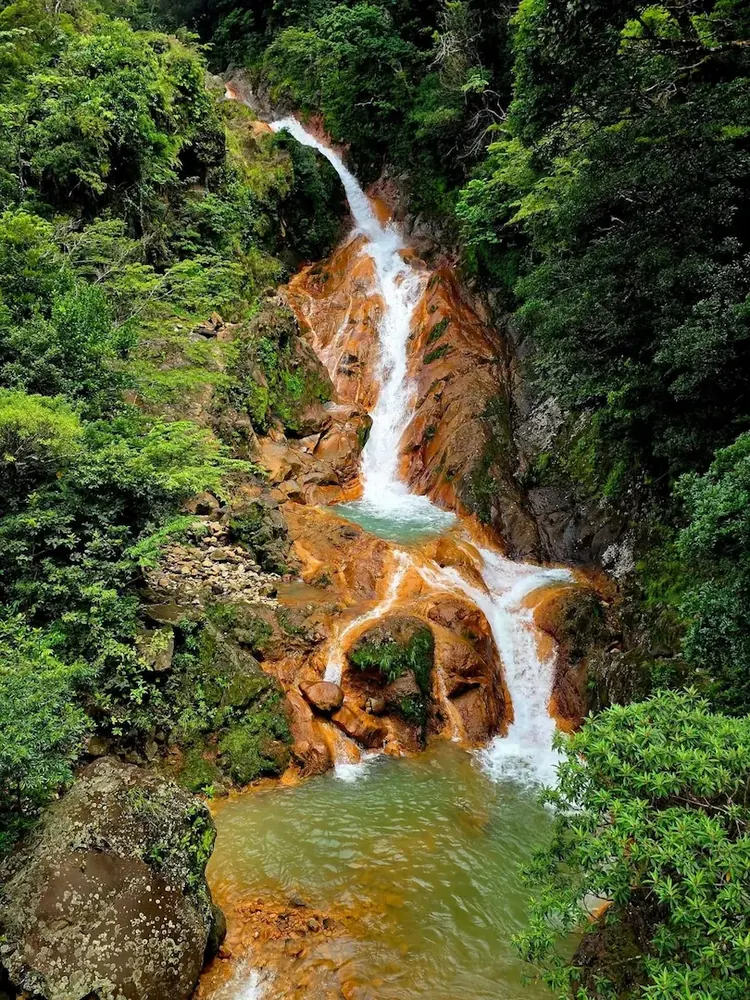
Costa Rica Highlights Tour — Sloths, Waterfall, Coffee, Hot Springs & Hanging Bridges
The ultimate one-day Costa Rica experience, sloth observation, waterfall, hands-on coffee and cacao workshop, natural mineral hot springs and two hanging bridges. Everything that makes Costa Rica extraordinary, in one private day.
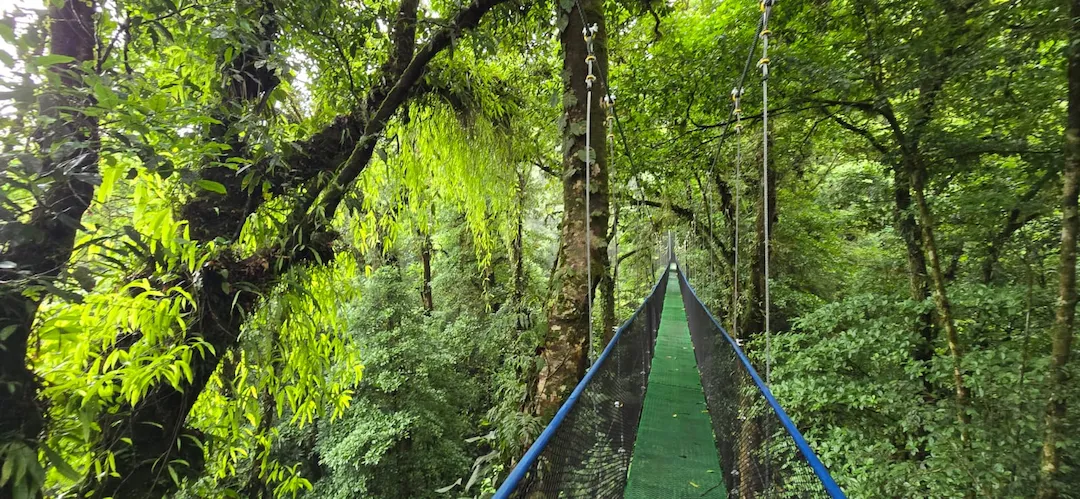
Hanging Bridges & Sloths Experience
Private hanging bridges and sloth encounter, 3 suspension bridges through tropical forest, Llanos de Cortez Waterfall and an intimate sloth experience that inspires wonder in every age. Lunch included.
What Traveling Without a Car Actually Means
Yes, you can travel Costa Rica without renting a car, and it's genuinely practical on many common routes, including the Liberia Airport, La Fortuna and Guanacaste corridor this guide focuses on. That doesn't mean every destination is equally easy without one: how well a no-car trip works depends on which destinations you choose, which transport mode you use, how tight your schedule is, your budget and how many times you change hotels. This guide explains the real tradeoffs between rental cars, shared shuttles, private transfers and public buses, then walks through a practical route pattern connecting Liberia Airport, La Fortuna and Guanacaste, where Wild Papagayo has direct, first-hand route knowledge.
One honest scope note: Costa Rica is a large, varied country, and this guide's detailed route knowledge is centered on the Liberia Airport (LIR), Guanacaste and La Fortuna/Arenal corridor, not every region. The general transport-mode comparison below applies anywhere in the country; the specific route examples and travel patterns are scoped to this corridor, where Wild Papagayo actually operates.
Choose fewer, longer stays rather than many short ones — each hotel change without a car is a transfer day, not just a drive.
Comparing Your Transport Options
There's no single best way to get around Costa Rica without a car. Each option trades off differently depending on your route, schedule and budget, and the right choice can change from one leg of your trip to the next. A route between two well-connected towns might work fine on a shared shuttle, while a less common connection might only make sense with a private transfer. The table below lays out the practical tradeoffs rather than naming one winner.
| Option | Best Fit | Schedule Flexibility | Door-to-Door | Solo-Traveler Cost | Main Limitation |
|---|---|---|---|---|---|
| Rental car | Travelers who want full route control | High | Yes | Fixed cost regardless of group size, so relatively higher for one traveler | Requires confidence driving unfamiliar roads; parking and navigation add complexity |
| Shared shuttle | Popular fixed routes with a workable schedule | Lower; runs on set times | Usually, with multiple stops | Often the most economical door-to-door option for one traveler | Fixed departure times and stops for other passengers can add travel time. Third-party service; Wild Papagayo can help point you toward one when it fits |
| Private transfer | Travelers who want direct, no-stop transport on their own schedule | High | Yes, directly | Higher per person for one traveler than a shared shuttle | Costs more per person solo; best value improves with more travelers sharing the vehicle |
| Public bus | Budget-focused travelers comfortable with a slower pace | Lowest; fixed public schedules | No, requires local transport at each end | Lowest cost | Longest travel times, least predictable for visitors unfamiliar with routes and terminals |
Which Option Fits Different Travelers
| Traveler Situation | What Tends to Matter Most | Worth Considering |
|---|---|---|
| Solo traveler | Cost per person, simplicity | Shared shuttle where the route and schedule work; private transfer where they don't |
| First-time visitor keeping it simple | Fewer decisions, predictable logistics | Choosing an arrival airport that matches your route, and limiting hotel changes |
| Wildlife-focused traveler | Access to nature-rich destinations without long solo drives | Private transfer or guided tours for less-frequented access points |
| Combining La Fortuna and Guanacaste | Minimizing transfer days between two different regions | Private inter-destination transport, since this specific connection isn't always well served by fixed shared-shuttle schedules |
Traveling Solo Without a Car
For one traveler, a shared shuttle can often be more economical than a private transfer, as long as the route is served, the schedule works for your plans, and you're comfortable with fixed pickup and drop-off logistics shared with other passengers. That's worth saying plainly rather than glossing over: private transport isn't automatically the better financial choice for a solo traveler, since its cost is fixed per vehicle rather than split across a group.
Private transportation still makes sense when you value door-to-door service, need specific timing that a fixed shuttle schedule doesn't offer, want fewer connections, or are traveling a route that doesn't align well with shared services. It can also be worth the difference in cost simply for the convenience of one pickup, no waiting on other passengers, and a direct route to your next hotel. Wild Papagayo can help with either path: pointing you toward a third-party shared shuttle when that fits your route, or arranging private transportation directly within the areas it serves when it doesn't.
How Many Destinations Make Sense
Without a rental car, each hotel change becomes a transfer day, not just a drive. Checking out, traveling, and checking in again takes real time out of your trip, on top of whatever the transport itself takes. A shared shuttle that makes several other stops along the way, or a public bus with a connection in between, can easily turn a half-day drive into most of a full day once you count waiting and transfer time. That's why itineraries built around fewer, longer stays generally work better for a no-car trip than a long list of one- or two-night stops.
This isn't a rule that says exactly how many bases you should choose, but it's worth weighing deliberately: more destinations mean more transfer days and less usable time at each one, in exchange for more variety. A traveler with ten days and three destinations will likely spend noticeably more of that time in transit than a traveler with the same ten days split between two.
Choosing Your Airport: LIR or SJO
For a no-car trip, your arrival airport should follow your route, not the other way around. Liberia International Airport (LIR) tends to work well for itineraries centered on Guanacaste and La Fortuna, since both are a manageable distance from it. San José (SJO) tends to work better for itineraries built around the Central Valley, Caribbean coast, or Southern Pacific destinations. Neither airport is universally better; the right one depends on where your itinerary actually goes. Wild Papagayo's own route knowledge is strongest on the LIR side, which is the corridor this guide focuses on.
Example Route: Liberia Airport → La Fortuna → Guanacaste
One practical pattern for a no-car trip through this corridor is landing at LIR, spending several nights in La Fortuna for volcano-adjacent rainforest and wildlife, then transferring to the Guanacaste coast for a beach-focused finish before departing again from LIR. This keeps you within a single airport's orbit for the whole trip and avoids backtracking across the country, which matters more when you're relying on shuttles or private transfers instead of driving yourself.
It's an example pattern that fits this specific corridor well, not a claim that it's the only logical way to see Costa Rica, and it isn't the only order that works; some travelers prefer to start on the coast and finish inland, ending their trip closer to the airport with less to coordinate on departure day. Either direction keeps the total number of transfers the same; the choice mostly comes down to whether you'd rather ease into the trip with beach time or dive into the rainforest first.
Planning Around Wildlife Without a Car
Where you base yourself changes what kind of wildlife encounters are realistic, and it's worth planning around that rather than assuming every stop offers the same experience. A naturalist guide can genuinely help with spotting and interpreting wildlife you might otherwise walk past, though no guide or tour can guarantee sightings on any given day. None of this requires a rental car: a no-car trip through this corridor can still include real nature-focused time, whether that's La Fortuna's rainforest and hot springs, a Guanacaste-area wildlife excursion, or, for travelers with the extra time and interest, an optional stop toward Bijagua and Río Celeste. Bijagua itself is a small town near Tenorio Volcano National Park; Río Celeste is the river inside that park known for its striking color. Treat this as an optional addition to a corridor trip, not a required stop.
A Short 7–10 Day Example
For travelers with roughly seven to ten days and no rental car, a workable shape is a few nights in La Fortuna followed by a longer stay in Guanacaste, bookended by LIR arrival and departure. The exact night count depends on your own priorities and travel dates rather than one fixed formula. This is meant as a starting framework, not a complete day-by-day itinerary; a more detailed route breakdown is a natural next step we're planning separately.
Private Transportation With Wild Papagayo
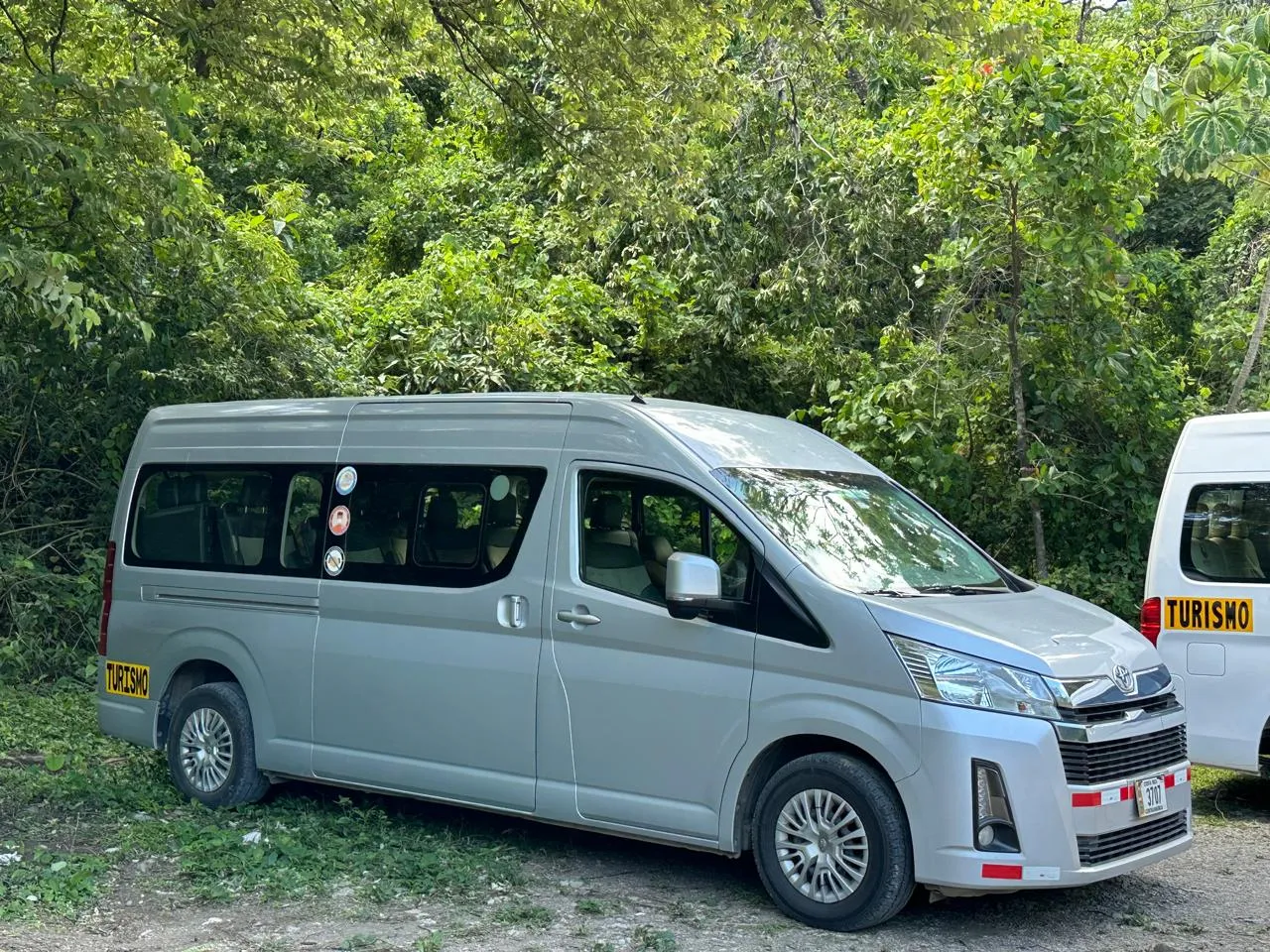
It's worth being clear about the difference between transportation and a tour. Private transportation moves you between airports, hotels and destinations. A private tour is a guided experience or activity once you've arrived. Wild Papagayo can arrange private inter-destination transportation within the areas it serves, including connections such as Papagayo/Guanacaste and La Fortuna/Arenal, Papagayo/Guanacaste and Bijagua/Río Celeste, Papagayo/Guanacaste and Monteverde, and La Fortuna and Guanacaste/Papagayo. Other routes may be possible on request where operationally feasible. This isn't coverage of every route in Costa Rica, and pricing depends on your exact route and group size, so we work from a quote rather than a fixed rate.
Frequently Asked Questions
Can you travel Costa Rica without renting a car?
Yes, on many common routes, including the Liberia Airport, La Fortuna and Guanacaste corridor this guide focuses on. How practical it is depends on your destinations, transport mode, schedule and how many hotel changes you're planning.
What is the best way to get around Costa Rica without driving?
There's no single best option. Shared shuttles, private transfers and public buses each fit different routes, schedules and budgets; the comparison table above outlines the real tradeoffs rather than naming one winner.
Are shared shuttles practical for solo travelers?
Often, yes. For one traveler, a shared shuttle can be more economical than a private transfer when the route is served and the fixed schedule works for your plans.
Are private transfers worth it for one person?
They can be, when you value door-to-door service, need specific timing, or are traveling a route that isn't well served by shared shuttles. They're generally not the cheaper option for a solo traveler compared to a shared shuttle on a well-served route.
Can I combine La Fortuna and Guanacaste without a car?
Yes, this is one of the more practical corridor combinations from Liberia Airport, and it's a route Wild Papagayo can help arrange private transportation for directly.
Should I fly into Liberia or San José if I'm not renting a car?
It depends on your route. Liberia (LIR) tends to work well for Guanacaste- and La Fortuna-focused trips; San José (SJO) tends to work better for the Central Valley, Caribbean coast or Southern Pacific. Choose based on where your itinerary actually goes rather than assuming one airport is always better.
How many places should I visit in seven to ten days without a car?
Fewer, longer stays generally work better than many short ones, since each hotel change becomes a transfer day. There's no fixed number that works for everyone; a full day-by-day breakdown is a separate, more detailed guide we're planning.
Keep Reading


We respond on WhatsApp in under 2 hours.
Private tours, airport transfers, expert guides — all in one message.
No WhatsApp? Email us at [email protected]