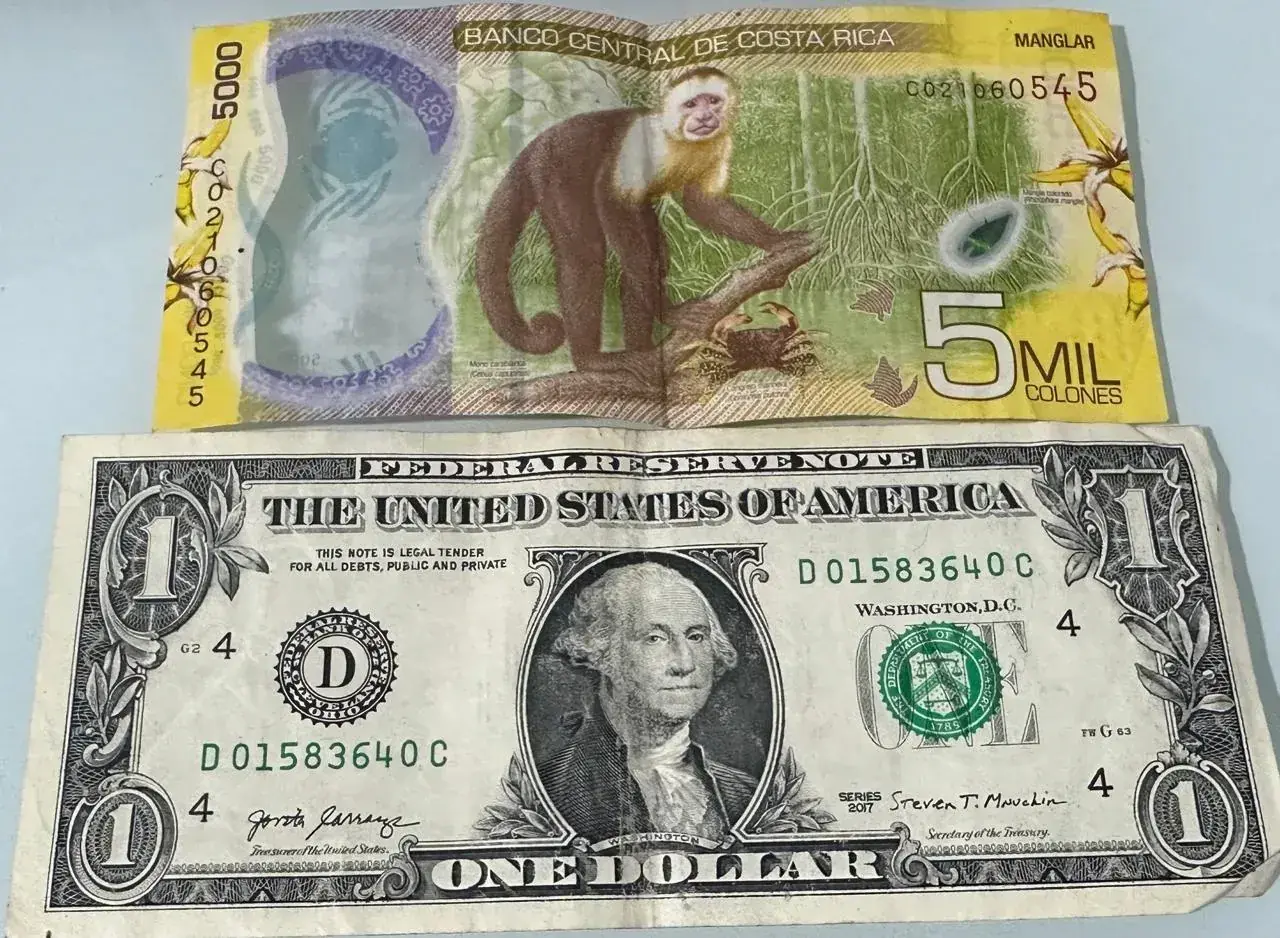
Updated July 2026
In Guanacaste you'll juggle US dollars, colones, and cards daily. Here's how locals actually handle payments so you don't overpay or get stuck without cash.
- US dollars are widely accepted in Guanacaste, but change often comes back in colones
- Small sodas, markets, and rural vendors prefer colones
- Cards work at most established businesses in tourist areas
- Airport exchange counters offer the weakest rates -- use ATMs instead
- At ATMs, always choose colones over your home currency to avoid markups
Recommended For Your Trip
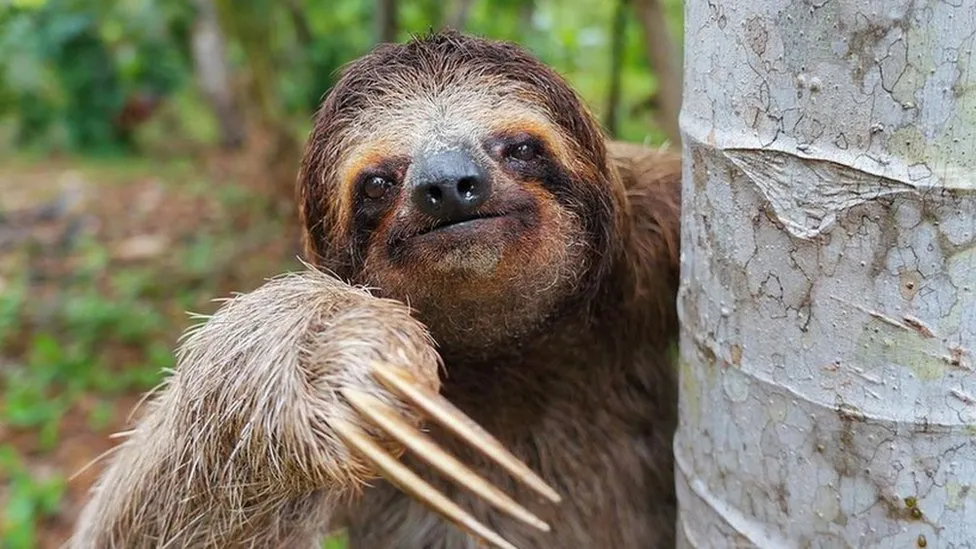
Sloth Adventure Tour Costa Rica
Private sloth wildlife encounter in the Costa Rica rainforest. Full-day private tour with certified bilingual guide. Book via WhatsApp with Wild Papagayo.
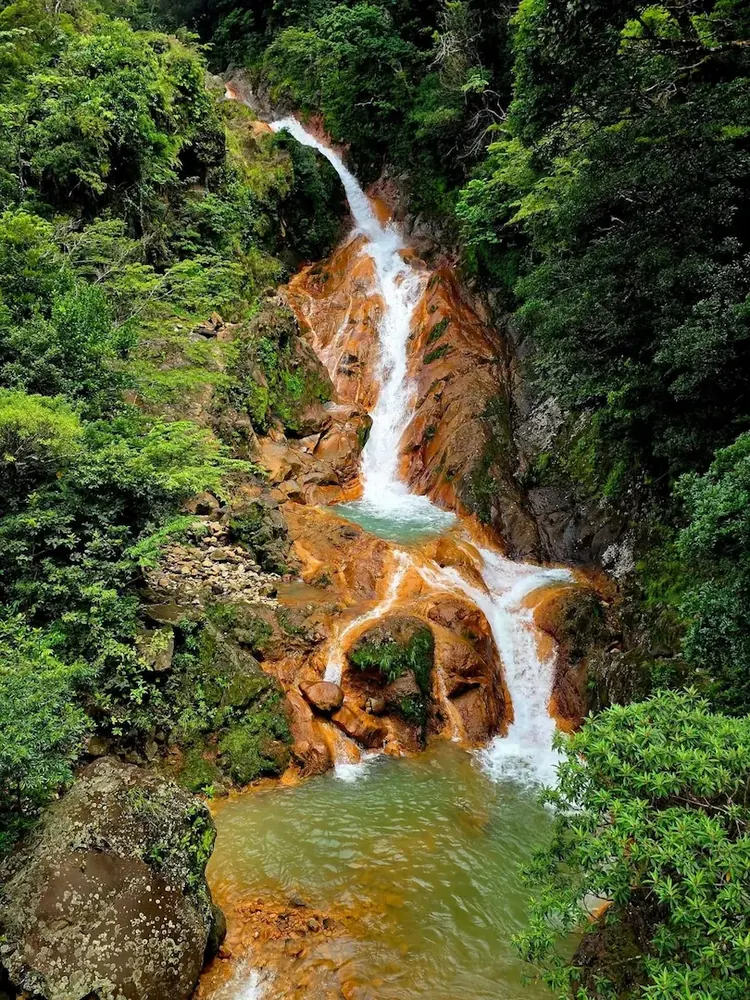
Costa Rica Highlights Tour — Sloths, Waterfall, Coffee, Hot Springs & Hanging Bridges
The ultimate one-day Costa Rica experience, sloth observation, waterfall, hands-on coffee and cacao workshop, natural mineral hot springs and two hanging bridges. Everything that makes Costa Rica extraordinary, in one private day.
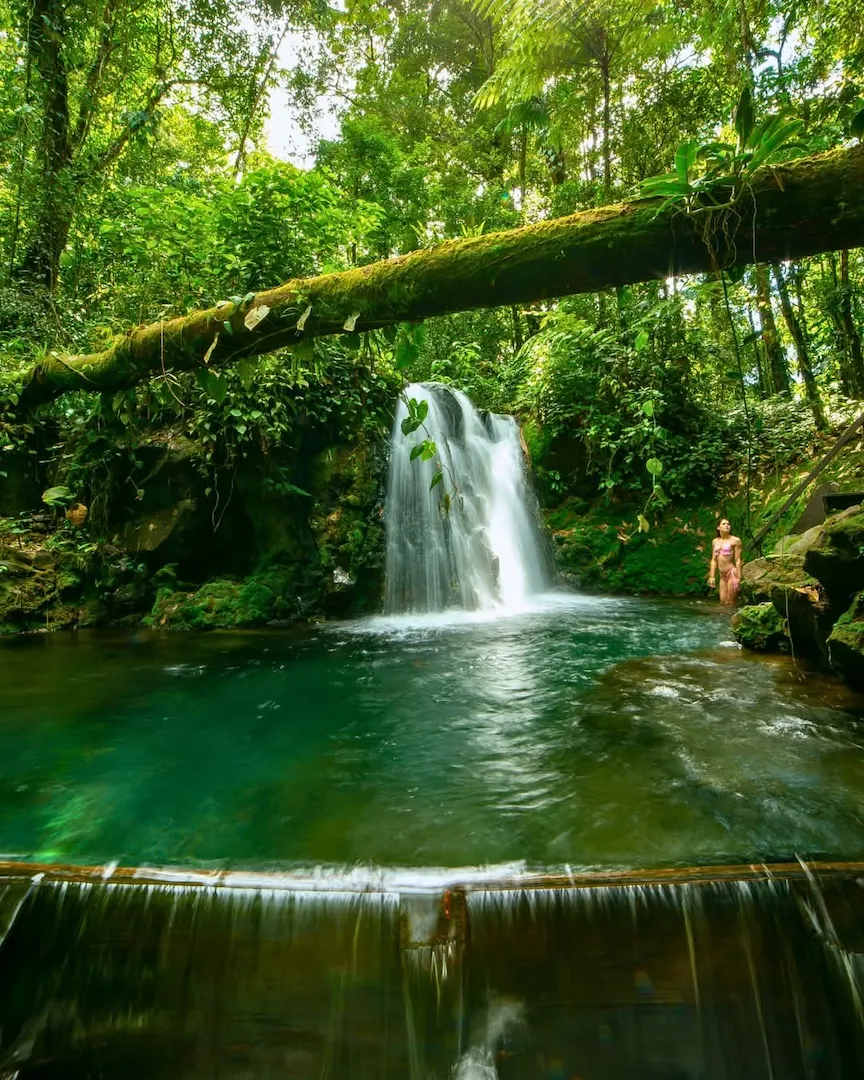
Sensoria Land of Senses & Magical Rainforest
Private full-day Sensoria nature reserve, 7km rainforest trail with multiple waterfalls, thermal pools, howler monkeys and incredible biodiversity where Guanacaste transforms into lush rainforest. Walking sticks and lunch included.
Dollars, Colones, or Cards in Costa Rica?
The honest answer is you'll use all three. US dollars are widely accepted across Guanacaste, especially at hotels, tour operators, and larger restaurants. But your change usually comes back in colones, and small vendors, local sodas, and roadside stands strongly prefer colones. Cards work well in most established businesses, though it's smart to carry cash as a backup.
The catch with paying in dollars is the exchange rate the business chooses to apply, which is often less favorable than the bank rate. Paying in colones for smaller purchases typically stretches your money a little further.
What We Recommend to Guests
We tell our Wild Papagayo guests to keep a mix: cards for hotels, tours, and bigger restaurant bills, plus a modest stash of colones for tips, small sodas, markets, and anywhere off the main tourist track. Places like Little Lucha Taqueria or a local spot like L' Estanco El Jardin Escondido are easy with a card or cash, but having colones on hand keeps everything smooth.
Keep a few thousand colones in small bills and coins specifically for tips and roadside stops -- vendors rarely have change for large notes.
How to Plan Your Money Well
Withdraw colones from ATMs once you arrive rather than exchanging large amounts at the airport, where rates are weakest. Most Guanacaste ATMs offer a choice between dollars and colones. Notify your bank before you travel so your card isn't flagged, and bring a second card in case one doesn't work at a particular machine.
Keep denominations small. Breaking a large dollar bill at a tiny restaurant like Tandoor Indian Restaurant in El Coco can be a hassle, so save small bills and coins for tips and quick stops.
Local Expert Tip
When an ATM asks whether to charge in your home currency or colones, always choose colones. Choosing your home currency triggers a marked-up conversion rate that costs you more.
Our Bottom Line
Carry a card for major expenses, a small buffer of colones for everyday and rural purchases, and some US dollars as an emergency reserve. In Guanacaste you won't get stranded either way, but paying in the right currency at the right moment saves you money and awkward change situations. Plan for a mix and you'll rarely think about it again.
Frequently Asked Questions
Can I use US dollars everywhere in Costa Rica?
Dollars are accepted at most hotels, tours, and larger restaurants in Guanacaste, but small sodas, markets, and rural vendors prefer colones. You'll also often receive change in colones, so it helps to carry both.
Are credit cards widely accepted?
Yes, cards work at most established businesses in tourist areas like El Coco and Tamarindo. Still, carry some cash for small purchases, tips, and any spot where card machines are unavailable or connectivity is spotty.
Where should I exchange money?
Skip the airport exchange counters, which offer the weakest rates. Withdraw colones from local ATMs instead, and always choose to be charged in colones rather than your home currency to avoid inflated conversion fees.
Keep Reading

We respond on WhatsApp in under 2 hours.
Private tours, airport transfers, expert guides — all in one message.
No WhatsApp? Email us at [email protected]