Updated July 2026
Papagayo is one of the calmest, most family-friendly corners of Guanacaste, but a few practical precautions help first-time visitors relax and enjoy the trip.
- Papagayo, in the Guanacaste province, is widely considered one of the safer and more relaxed regions for families visiting Costa Rica.
- The most common issues families face are minor: petty theft from unlocked cars, sunburn, dehydration, and underestimating ocean conditions.
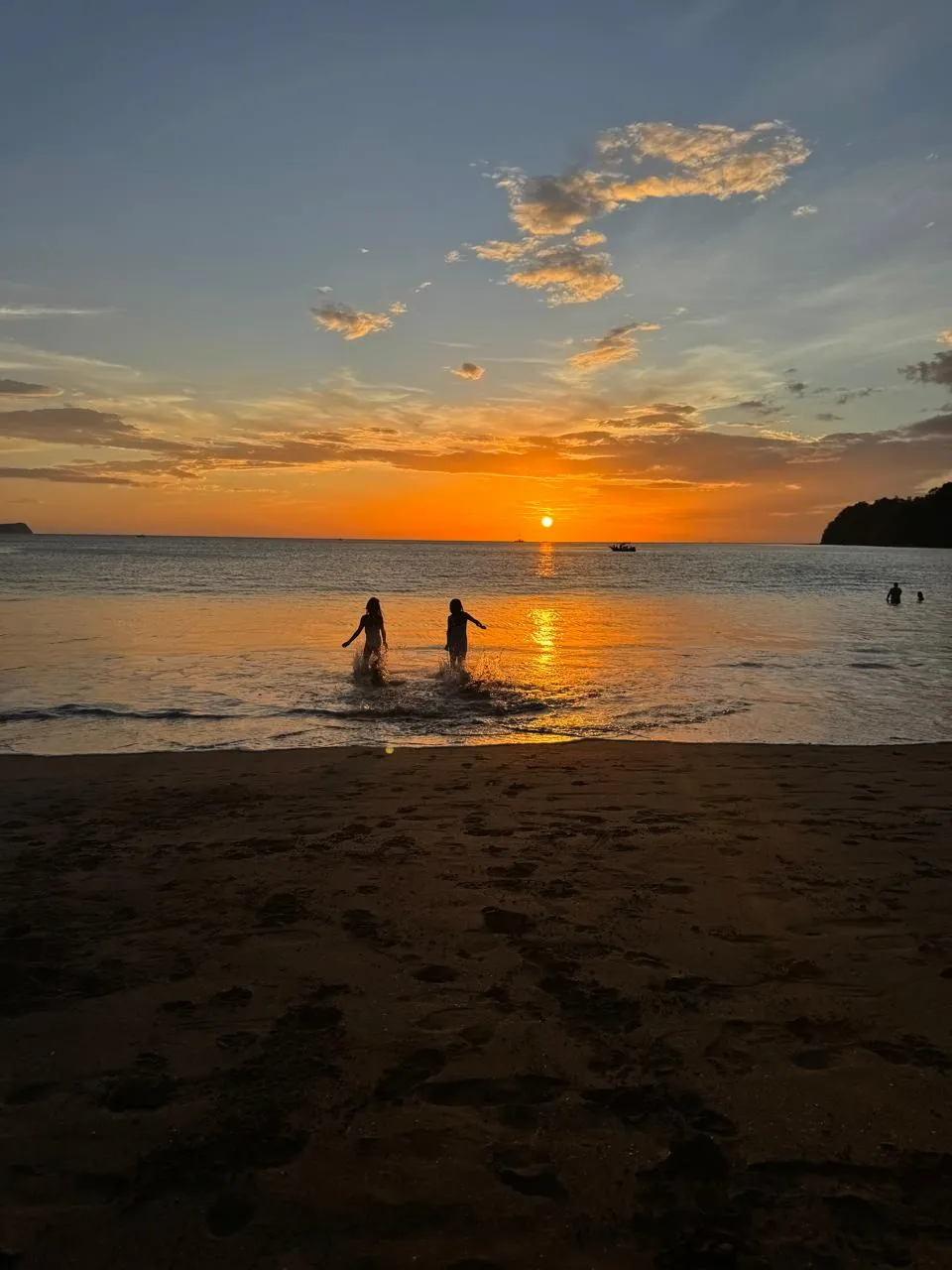
- Calm bays like Playa Blanca are generally gentle and great for kids, but some open Guanacaste beaches have rip currents.
- Many families prefer arranged transfers over self-driving because roads can be poorly signed and night driving is challenging.
- Recommended precautions include using car seats for young children, bringing reef-safe sunscreen and water, and carrying small amounts of cash.
Recommended For Your Trip
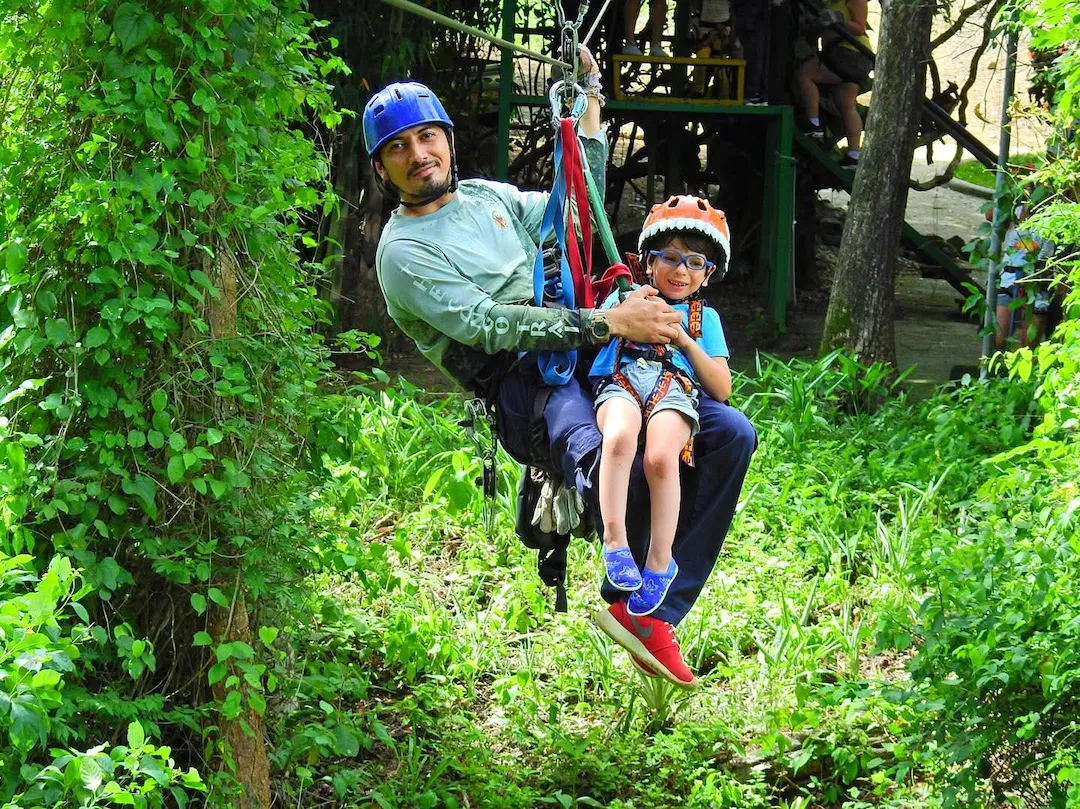
Congo Trail Half-Day Adventure
Six zip lines, hanging bridges, 45 minutes on ATV and horseback riding through Guanacaste dry forest. Half-day private adventure at Congo Trail with certified bilingual guide.
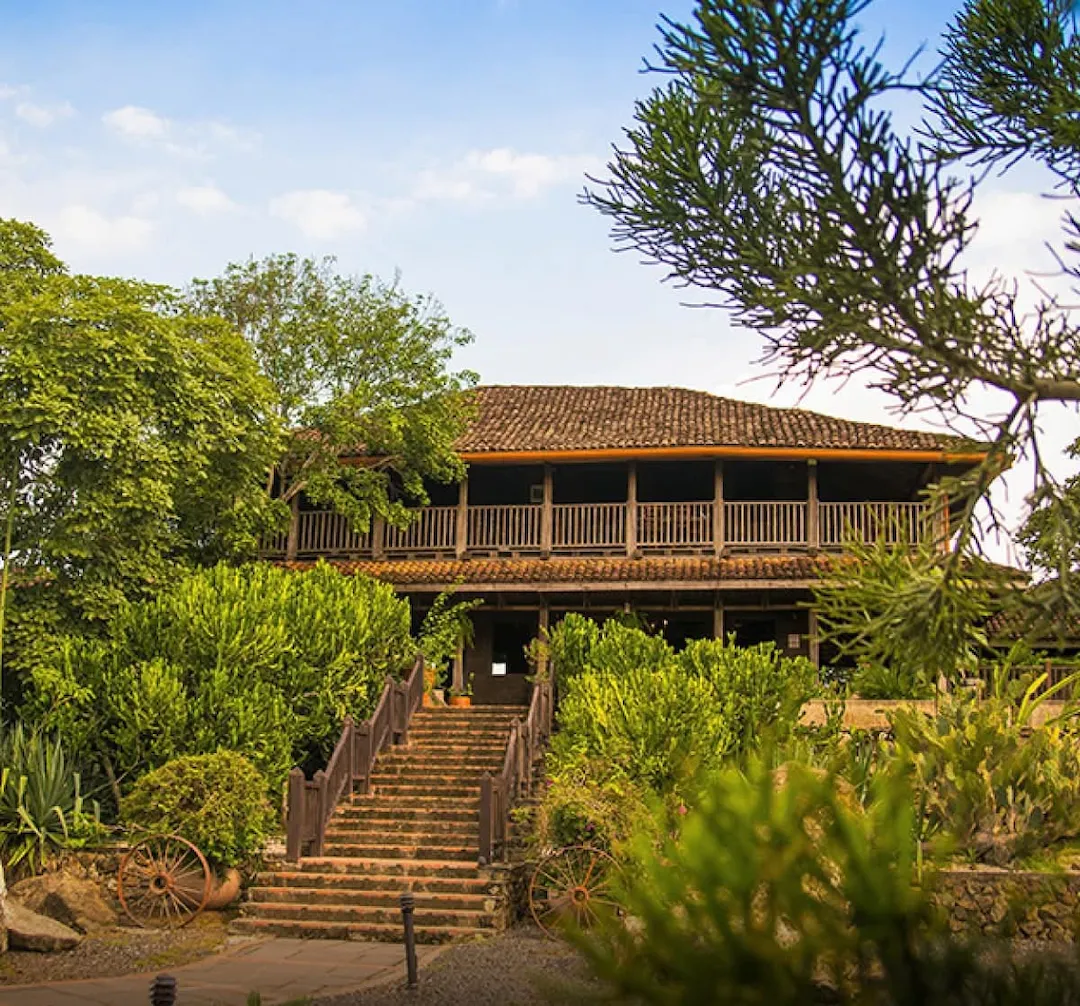
Palo Verde & Cultural Experience El Viejo
Covered boat ride down the Tempisque River through Palo Verde National Park, then a private visit to Hacienda El Viejo, tortilla making, the ox-powered trapiche sugar mill, and traditional Guanacaste cuisine. Lunch and National Park fee included.
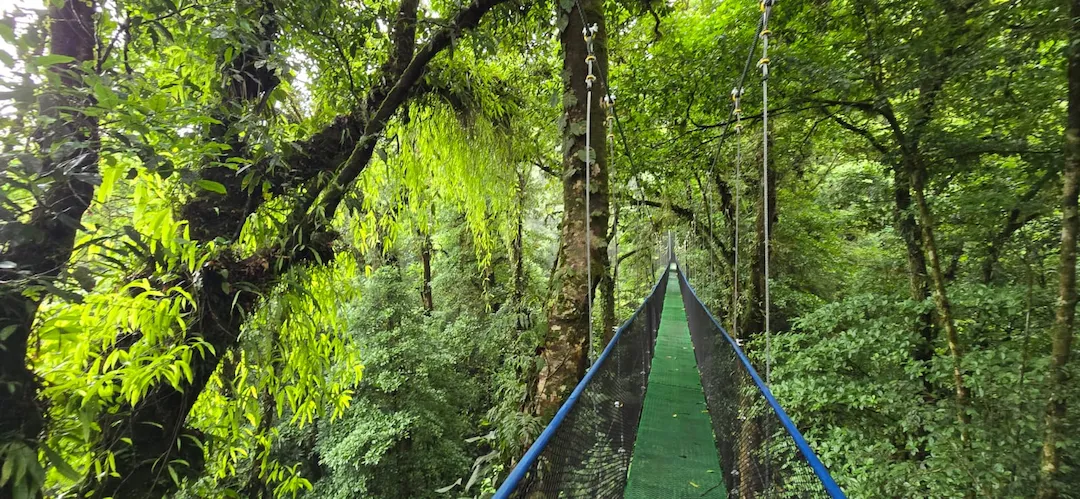
Hanging Bridges & Sloths Experience
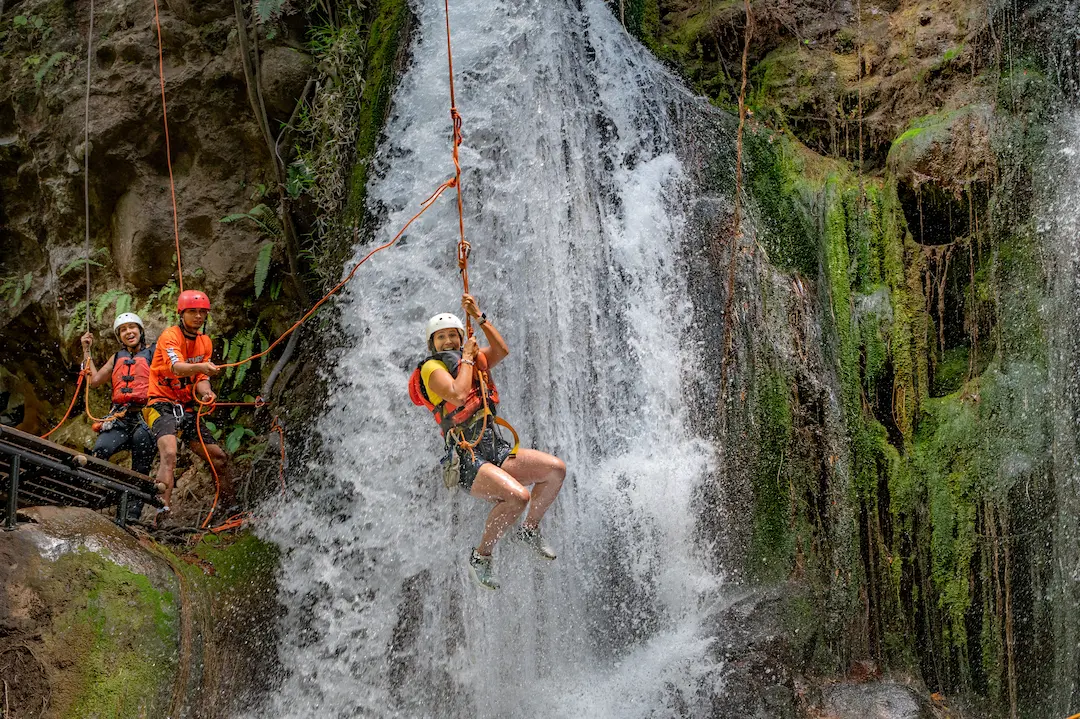
Private hanging bridges and sloth encounter, 3 suspension bridges through tropical forest, Llanos de Cortez Waterfall and an intimate sloth experience that inspires wonder in every age. Lunch included.
The Short Answer: Yes, With Normal Precautions
Papagayo, in the Guanacaste province, is widely considered one of the safer and more relaxed regions for families visiting Costa Rica. The area is largely built around resorts, gated communities, and calm bays, which makes it a comfortable landing spot for first-time visitors and travelers with kids.
That said, no destination is risk-free. The most common issues families face here aren't dramatic — they're things like petty theft from unlocked cars, sunburn, dehydration, and underestimating ocean conditions. With a bit of awareness, the vast majority of families have a smooth, uneventful trip.
Costa Rica overall has a stable, tourism-focused culture, and Guanacaste locals are used to welcoming families. You'll find that a little Spanish, a friendly attitude, and standard travel common sense go a long way.
Ask a local or lifeguard about ocean conditions before letting kids swim, since calm-looking Guanacaste beaches can hide rip currents.
Practical Things to Watch For
Beaches and water: The calm bays around Papagayo (like Playa Blanca and the sheltered inlets) are generally gentle and great for kids. But some open Guanacaste beaches have rip currents. Ask locals or lifeguards about conditions, keep young children within arm's reach, and don't assume all beaches are equally calm.
Sun and heat: Guanacaste is hot and dry for much of the year. Sunburn and dehydration are the most likely things to affect your family. Bring reef-safe sunscreen, hats, and more water than you think you need, especially during midday tours.
Roads and driving: Roads range from excellent highways to bumpy rural routes, and signage can be sparse. Night driving is not ideal for first-timers. Many families prefer arranged transfers over self-driving, simply to reduce stress and navigation worries with tired kids in the car.
- Keep valuables out of sight and never leave items in a parked car
- Use a car seat for young children (bring your own or arrange one in advance)
- Watch for wildlife like monkeys and coatis — admire, but don't feed them
- Carry small amounts of cash and use ATMs inside banks or resorts
A Local Take for First-Time Families
Honestly, the biggest thing that stresses new visitors isn't safety — it's logistics. Getting from Liberia airport to your hotel, figuring out which beaches suit little kids, and knowing which tours are genuinely family-appropriate can feel overwhelming before you arrive.
That's where having a local hand helps. At Wild Papagayo, we run private transfers and family tours partly because a private, guided setup removes a lot of the small uncertainties — you're not navigating unfamiliar roads at night, and you have someone who knows which beaches and activities match your kids' ages. It's less about safety guarantees and more about a calmer, better-informed trip.
Come with reasonable precautions and an open mind, and Papagayo tends to reward families with easy days, warm water, and plenty of wildlife the kids will remember.
Frequently Asked Questions
Is Papagayo safe for families with young children?
Yes, Papagayo is generally considered one of the safer regions in Costa Rica for families, thanks to its calm bays and tourism-oriented infrastructure. Standard precautions like securing valuables and checking ocean conditions still apply.
Are the beaches around Papagayo safe for swimming?
The calm, sheltered bays around Papagayo are usually gentle and good for kids, but some open Guanacaste beaches can have rip currents. Always ask locals or lifeguards about current conditions before swimming.
Should we drive ourselves or use a transfer service?
Many families choose private transfers over self-driving because Guanacaste roads can be poorly signed and night driving is challenging. It reduces stress, especially with tired kids after a long flight.
What are the most common safety issues families face in Papagayo?
The most common problems are minor: sunburn, dehydration, and petty theft from unlocked cars. Bring sun protection and plenty of water, and never leave valuables visible in a vehicle.
Keep Reading

We respond on WhatsApp in under 2 hours.
Private tours, airport transfers, expert guides — all in one message.
No WhatsApp? Email us at [email protected]